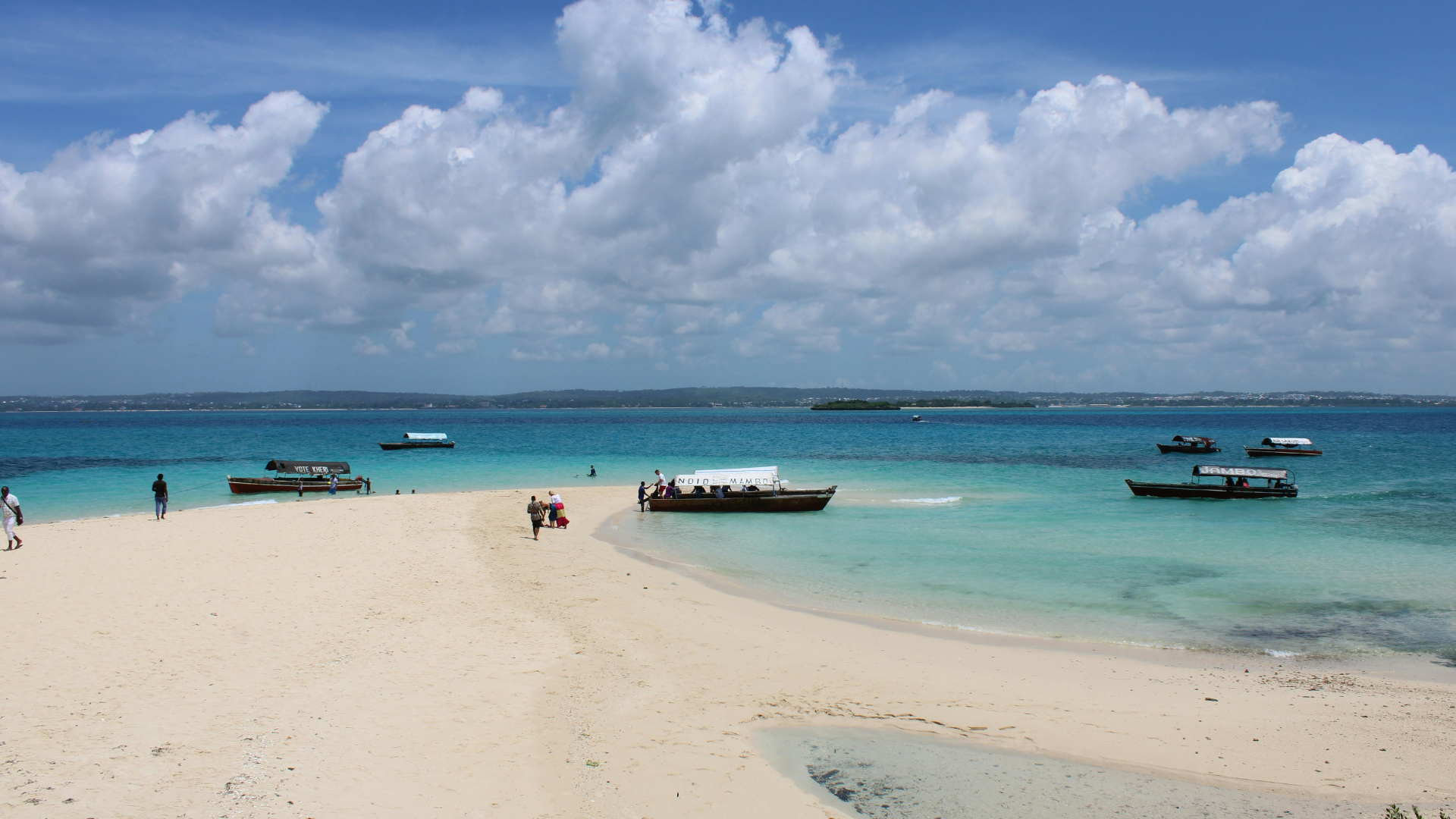
Zanzibar Travel Guide
Welcome to one of the world's most extraordinary island destinations, where vibrant Swahili culture meets modern sustainability. Whether you are planning a short visit or exploring Zanzibar as your future home – this guide covers the best of the island.
Where to Stay in Zanzibar
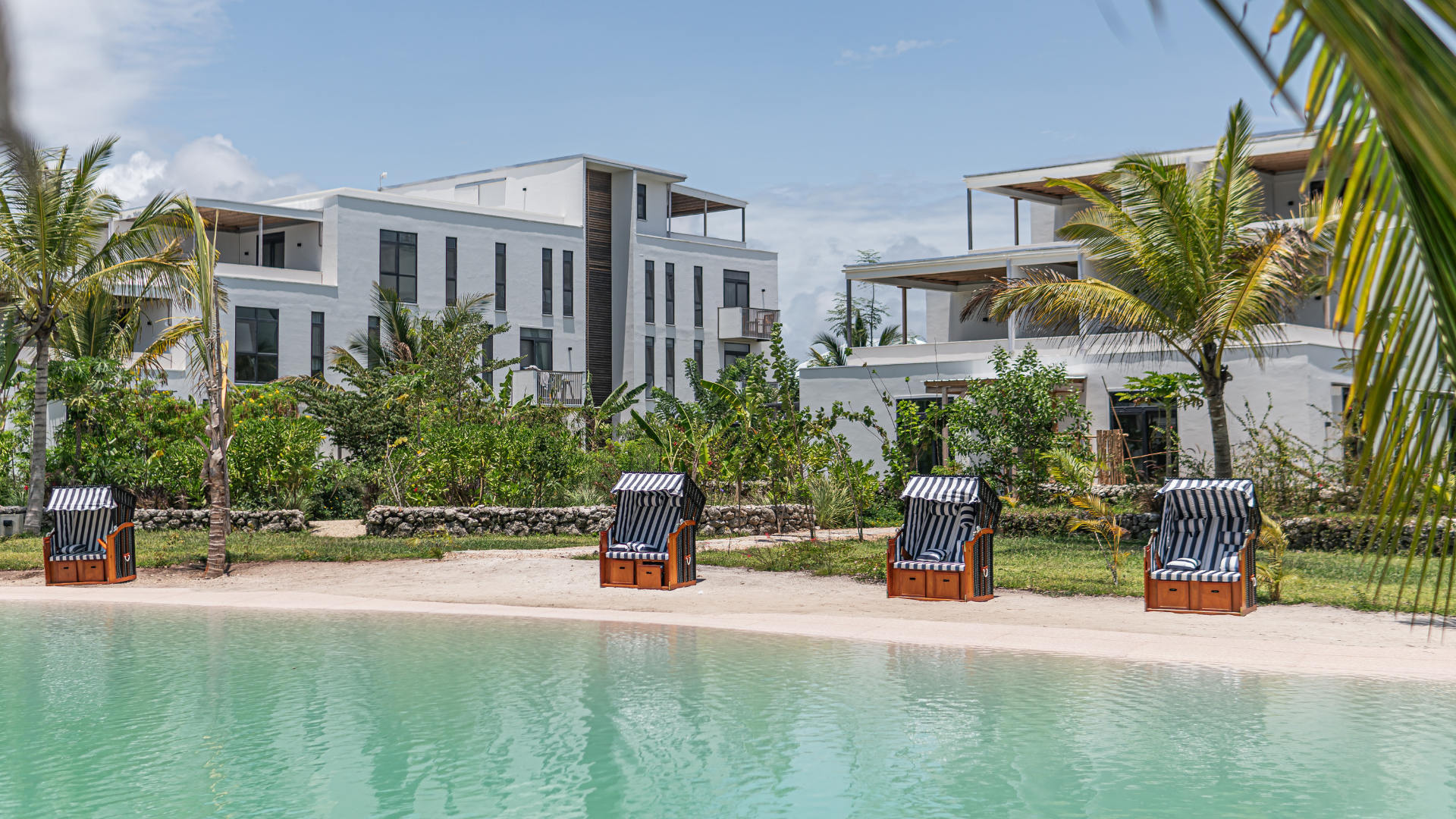
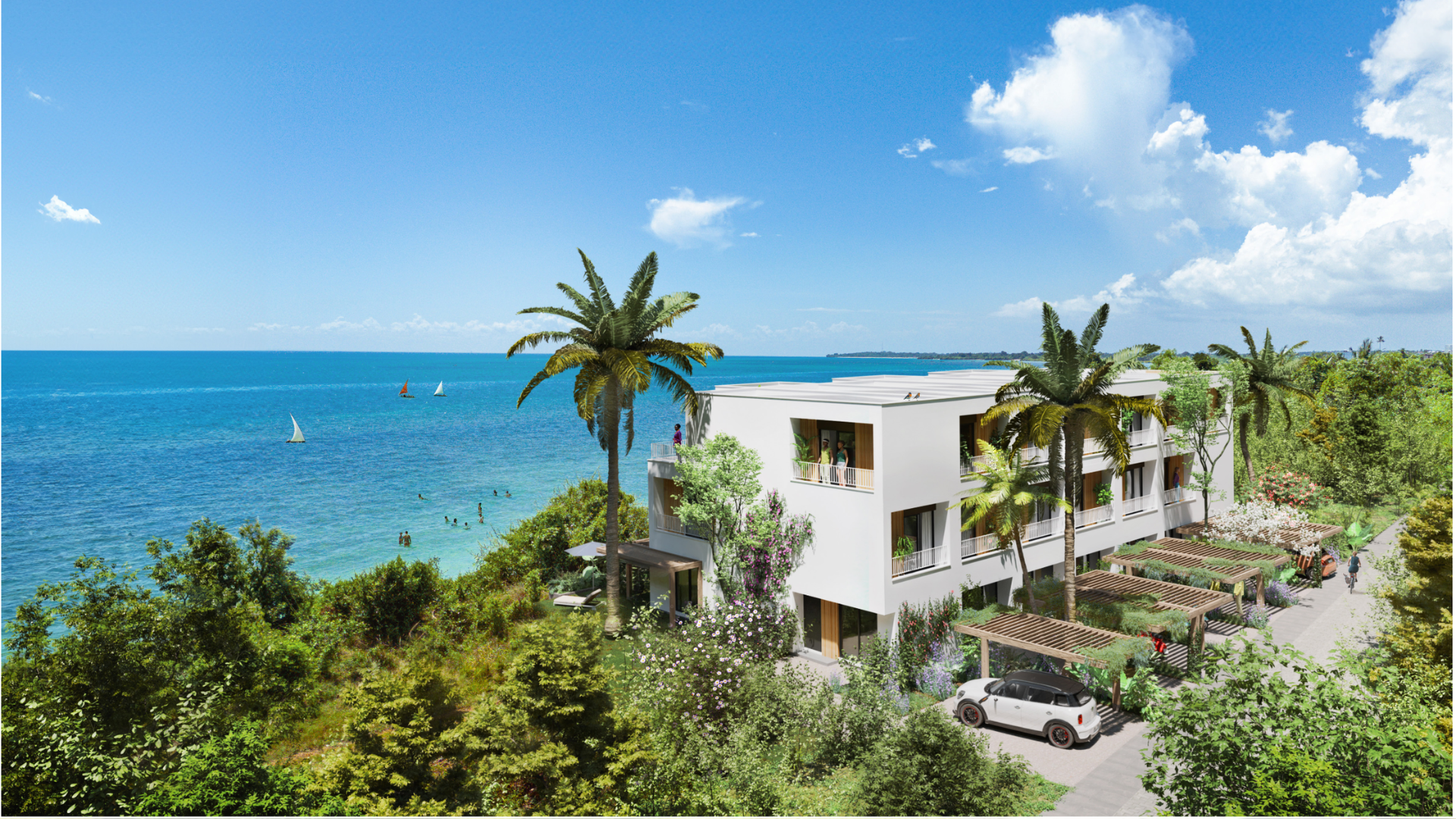
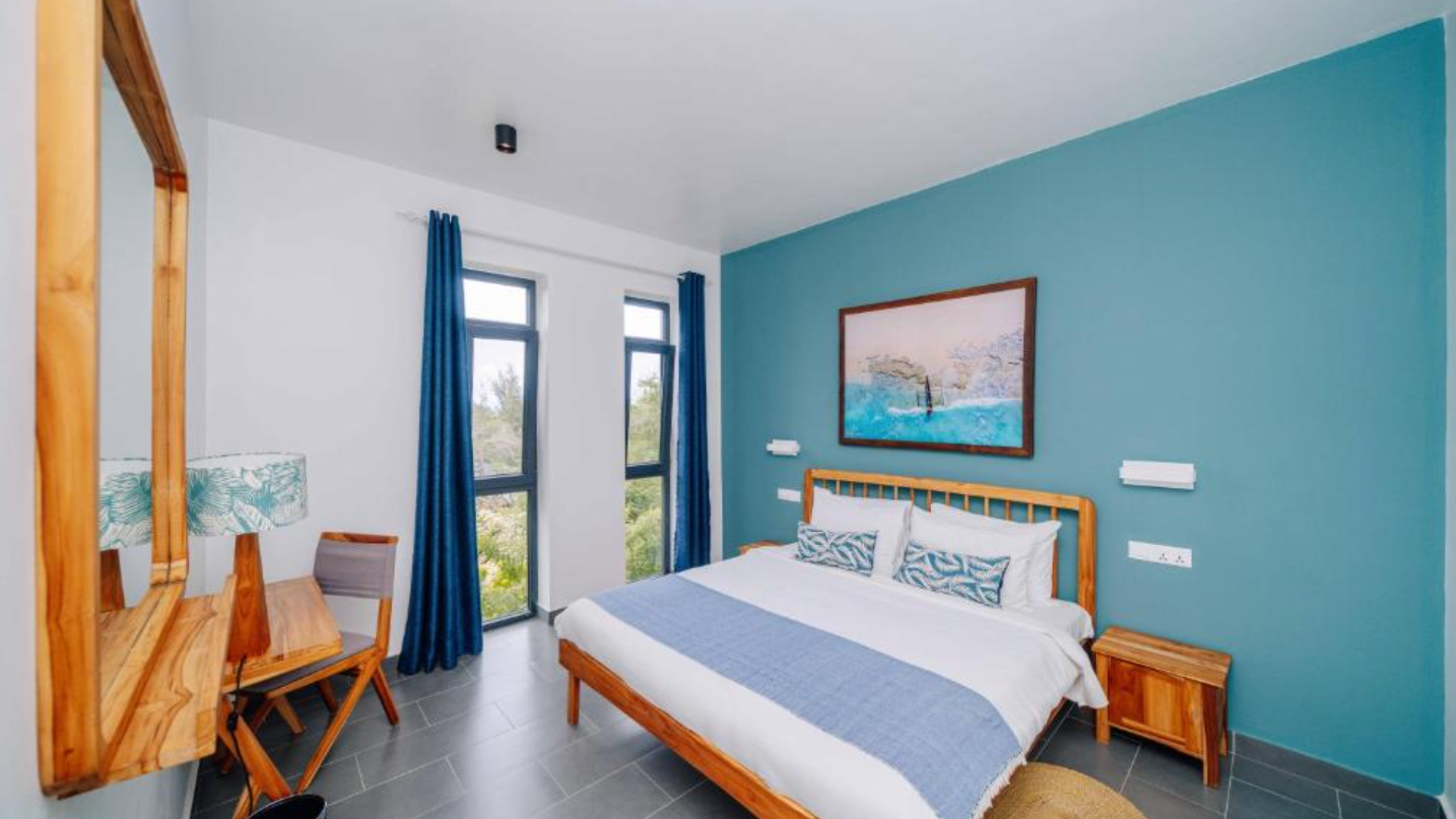
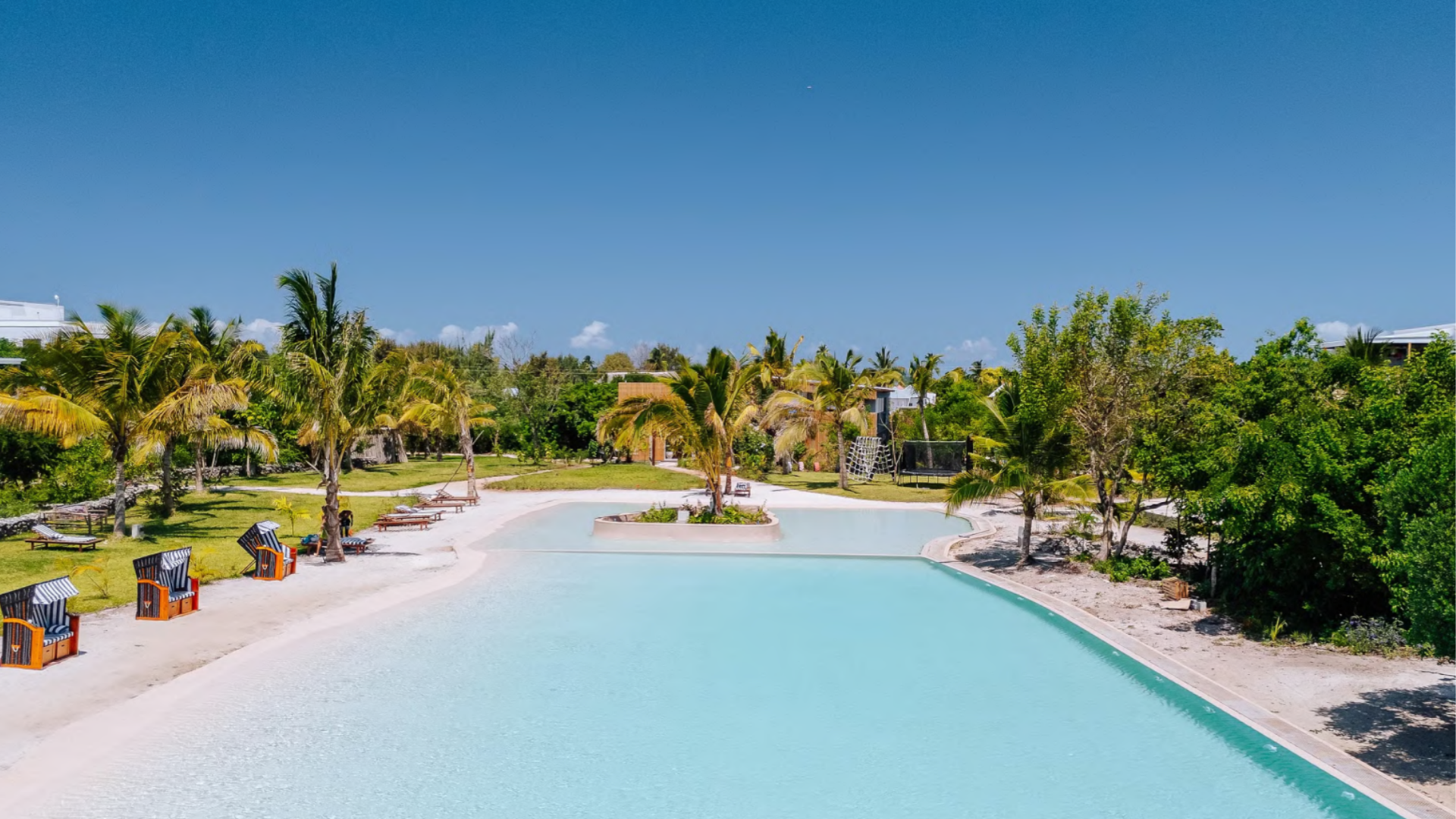
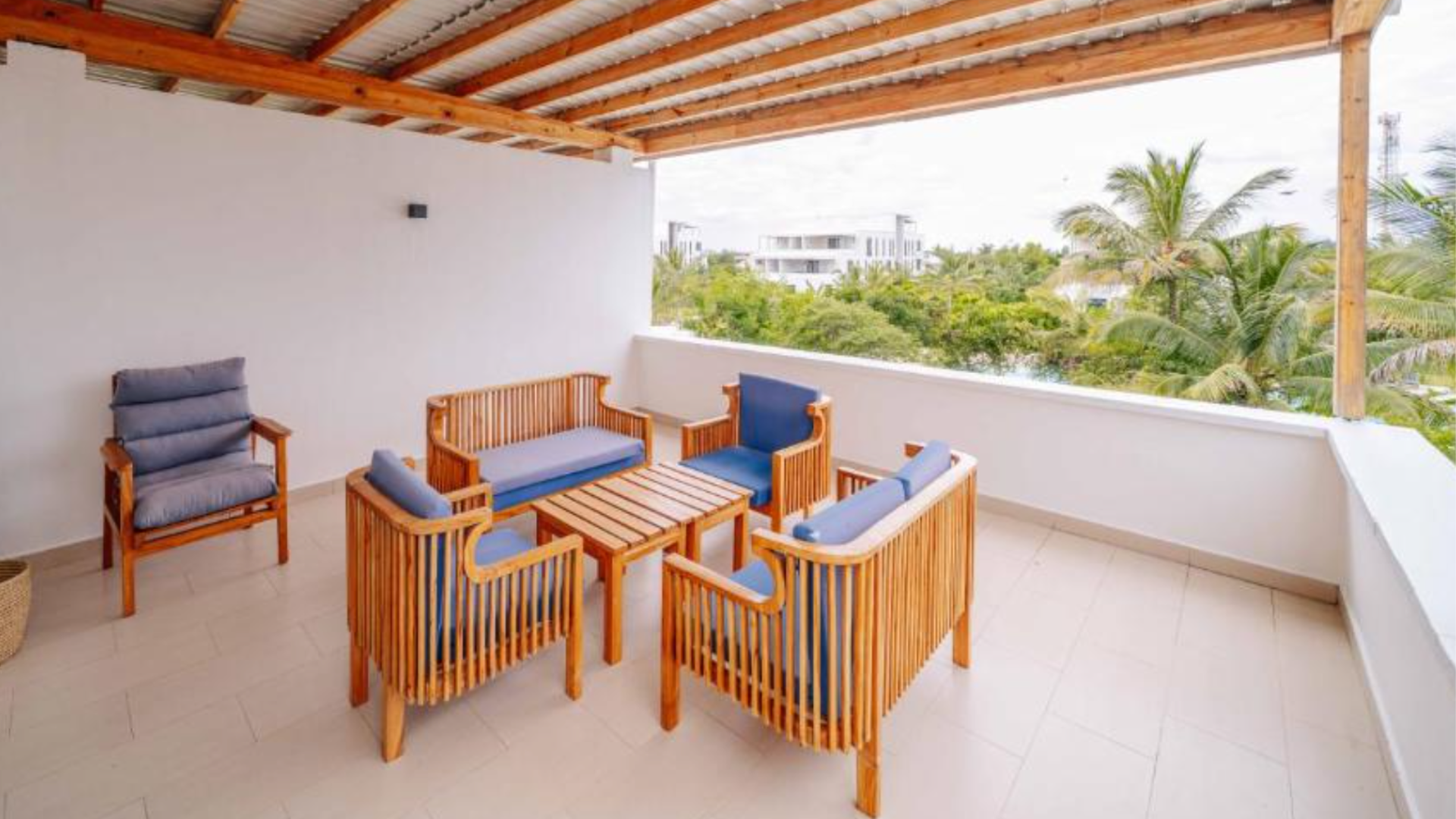
Zanzibar offers a diverse range of accommodation for every type of visitor. Fumba Town sets a new standard for sustainable urban living on the island, featuring modern lofts and apartments designed for long-term residents and investors. For resort-style luxury, the Burj Zanzibar – home to a Hilton Hotel and recognized as the world's tallest timber building – is a landmark destination in its own right. Looking for something more relaxed? Soul Paje offers a stunning lagoon pool and parkland setting on Zanzibar's famous east coast.


Where to Eat in Zanzibar
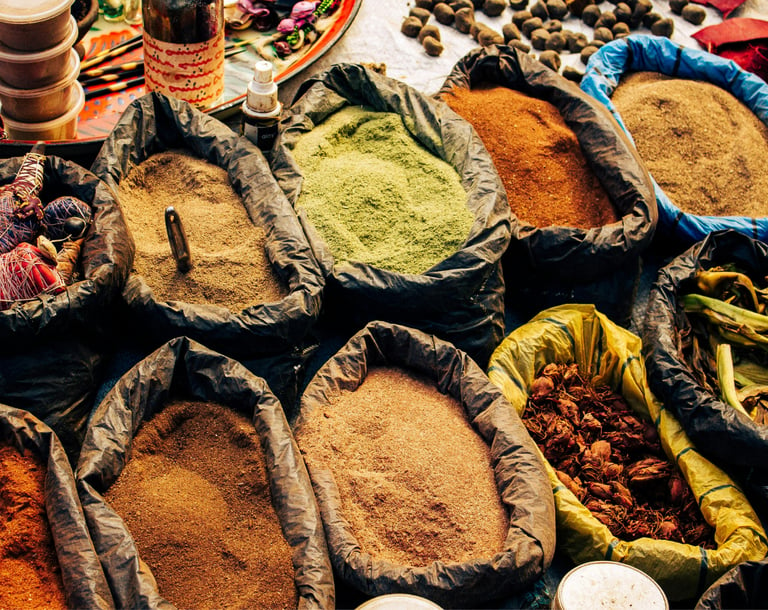
Zanzibar's food scene is as rich as its culture, ranging from fresh local seafood to international cuisine. The daily sunset ritual at Fumba Beach Club is an unmissable experience – grilled octopus, cold drinks, and uninterrupted views over the Indian Ocean. For a more authentic local taste, Kwenu Kwetu serves fresh juices and traditional Swahili dishes that give you a real feel for island life. Don't leave without exploring the local spice markets – Zanzibar's reputation as the Spice Island is well earned.
If you’re interested in investing in Zanzibar or already planning to do so, feel free to contact us for comprehensive advice.
What to do in Zanzibar
From the historic cobblestone streets of Stone Town – a UNESCO World Heritage Site – to the lush greenery of local spice farms, Zanzibar is packed with things to do for every type of traveller. Snorkelling in crystal-clear Indian Ocean waters, horseback riding on the beach, and mainland Tanzania safaris are among the most popular activities for first-time visitors. For those interested in sustainability, a guided tour of the Permaculture Design Company (PDC) offers a fascinating look at how Zanzibar's future is being shaped through eco-conscious land management.
Travel Safety & Local Etiquette
Zanzibar is widely regarded as one of the safest destinations in East Africa, known for the exceptional warmth and hospitality of its people. To ensure a respectful and enjoyable visit, a few simple guidelines go a long way:
Dress respectfully: Cover shoulders and knees when visiting public villages, markets, or religious sites
Greet locals: A simple "Mambo" or "Khabari" will be warmly received and opens many doors
Sun & water safety: Use SPF 30 or higher sunscreen and drink only filtered or bottled water throughout your stay